

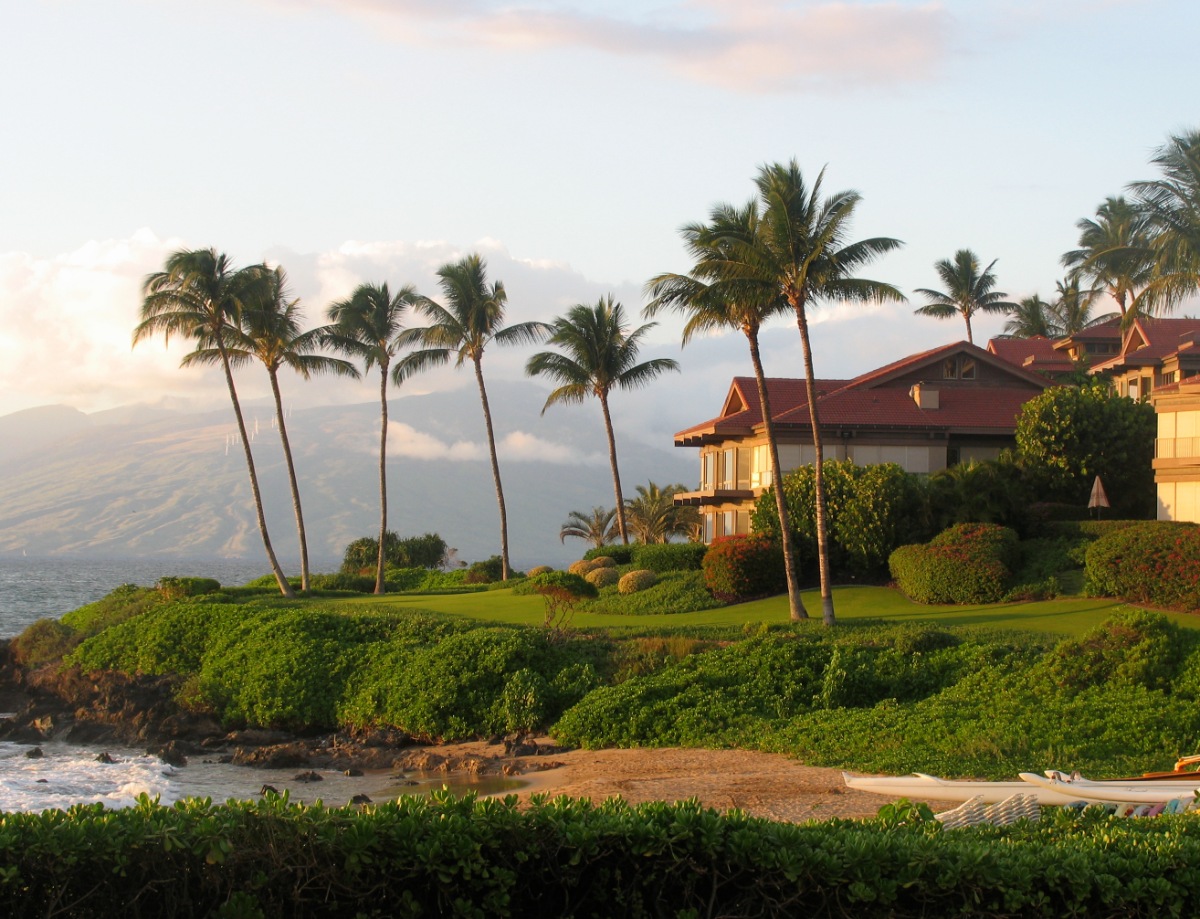
There’s a reason so many buyers are drawn to luxury homes in Hawaii. Owning property here, especially on Maui, also translates to gaining a lifestyle, a legacy, and a place that reflects how you want to live.
But while most buyers begin with the listing price, that number only tells part of the story.
On Maui, the true cost of ownership is shaped by factors that aren’t always obvious at first glance. These may include property classification, environmental exposure, insurance availability, and the realities of maintaining a home in a coastal, island setting. All these details tend to influence long-term costs, particularly for buyers purchasing second homes or oceanfront properties.
This guide breaks down the hidden expenses of buying one of the luxury homes for sale in Hawaii, with a closer look at what those costs actually mean on Maui. That way, you’ll be able to plan with clarity before making your move.
Table of Contents
FAST FACTS
|
THE HIDDEN COSTS OF BUYING A HOME IN HAWAII
Closing costs
Hawaii’s closing process is centered around escrow, with a neutral third party coordinating documents, funds, and timelines. While the structure may feel familiar to some mainland buyers, the details and expectations tend to differ.
In most cases, buyers may expect closing costs to fall between 1% and 3% of the purchase price. On higher-value properties, that usually translates into a meaningful upfront expense.
Beyond the standard fees − escrow, title insurance, recording, and lender-related costs − what often surprises buyers is how negotiable certain expenses can be in Maui’s luxury market. Depending on demand and property type, cost allocations between buyer and seller may shift, making early guidance from a local expert especially valuable.
Property taxes
Maui County property taxes are generally lower than in many mainland areas, but classification matters more than the base rate.
For many luxury buyers, especially those purchasing second homes, properties fall under non-owner-occupied classifications, which carry higher tax rates than primary residences. Buyers considering short-term rental use may encounter entirely different classifications depending on zoning and eligibility.
What’s important to understand is that your tax rate isn’t just about the property − it’s about how you intend to use it. On Maui, that distinction greatly affects annual carrying costs, particularly in high-value segments where assessed values may adjust over time.
Insurance considerations
Insurance is one of the most nuanced and constantly evolving cost factors in Hawaii real estate.
Standard homeowners policies are just the starting point. Depending on the property’s location, buyers may also need hurricane coverage, flood insurance, or specialized policies for high-value homes. On Maui, exposure to wind zones, coastal flooding, and wildfire risk in certain areas could influence both availability and cost.
For oceanfront and hillside properties, premiums tend to be higher due to weather exposure, rebuilding costs, and material logistics unique to island construction.
Working with insurers familiar with Maui’s microclimates is key. Coverage may vary significantly from one part of the island to another, and understanding those differences early helps avoid delays during escrow.
HOA and resort association fees
Many luxury properties on Maui, especially condominiums and resort communities, include homeowners’ association (HOA) fees. These fees often reflect a level of service that aligns with the lifestyle buyers are seeking.
It’s not uncommon for monthly dues to exceed $1,000, and in some cases, significantly more depending on amenities, staffing, and maintenance standards.
Well-managed associations typically maintain strong reserves, which helps prevent unexpected special assessments. For buyers, reviewing HOA budgets, reserve studies, and long-term maintenance plans is an important step in evaluating the true cost of ownership.
Island-specific maintenance costs
Owning a home on Maui comes with environmental considerations that directly impact maintenance.
Salt air, humidity, and constant sun exposure tend to accelerate wear on exterior finishes, metal components, and mechanical systems. Oceanfront homes, in particular, may require more frequent upkeep, from repainting and sealing to replacing fixtures affected by corrosion.
Even inland or upcountry properties experience different environmental pressures, including temperature shifts and wind exposure. These factors usually influence everything from roofing to HVAC performance.
With proactive maintenance, luxury homeowners preserve both the property’s condition and its long-term value.
Managing second homes
Many buyers of luxury homes in Hawaii, particularly on Maui, don’t live on the island full-time. As a result, property management becomes an essential part of ownership.
A professional management team will oversee routine inspections, coordinate maintenance, manage landscaping, and, if applicable, handle guest services for short-term rentals.
Fees range from 10% to 30% of rental income or a flat monthly fee for non-rental properties. But beyond the fee itself, the value lies in consistency − ensuring the home is cared for in your absence and ready whenever you arrive.
Furnishing and shipping logistics
Furnishing luxury homes in Hawaii is often more involved than buyers expect, especially when sourcing and shipping from the mainland. Shipping large items across the Pacific takes time and money and involves potential challenges, such as freight fees, longer delivery times, and limited availability.
Many buyers opt for local designers and vendors who know the island’s climate and style, simplifying logistics and helping create a cohesive, inviting space.
Evaluating the true cost of ownership
It’s easy to focus on the purchase price, especially in a market known for high-value properties. But on Maui, ownership costs extend well beyond that initial investment.
Property taxes, insurance, maintenance, association dues, and management all play a role in shaping your long-term financial picture. Understanding how these elements come together allows you to plan effectively, whether you’re purchasing a second home, an oceanfront estate, or a resort residence.
Navigating Hawaii real estate with local expertise

Owning luxury homes in Hawaii involves more than what’s on paper. Working with a Maui-based team that understands the island firsthand helps you navigate what others often overlook.
Homes for sale in Hawaii offer exceptional opportunities, but on Maui, choosing the right one starts with understanding the full picture.
On Maui, factors like zoning, property classification, and environmental exposure may vary widely from one community to another. Having a team that understands those differences makes the process more straightforward.
At Maui Real Estate Collective, we guide buyers through these considerations every day, helping them look beyond the listing price and understand what ownership truly involves here. Our local insight and clear view of Maui’s unique landscape will help you in making decisions that align with both your lifestyle and your long-term goals.
FAQs
What are the hidden costs of buying a home in Maui?
Beyond the purchase price, expect closing costs, higher property taxes on second homes, insurance (including hurricane or flood coverage), HOA dues, maintenance, and possible property management fees.
How much are closing costs when buying a home in Maui?
Buyer closing costs typically range from 1% to 3% of the purchase price, depending on financing, escrow fees, and negotiated terms.
Do oceanfront homes in Maui cost more to maintain?
Yes. Exposure to salt air, wind, and moisture can accelerate wear, leading to more frequent maintenance and higher long-term upkeep costs.
KNOW THE NUMBERS BEFORE YOU MAKE YOUR MOVE
Buying a home on Maui involves details that don’t always show up on a listing. But we at Maui Real Estate Collective will help you understand every aspect of real estate investment, from upfront costs to long-term ownership.
Call 808.633.3936 or send us an email . Our team is here to guide you through your search for luxury homes in Hawaii with local insight you can trust.